June 8-10, 2027 | Texas
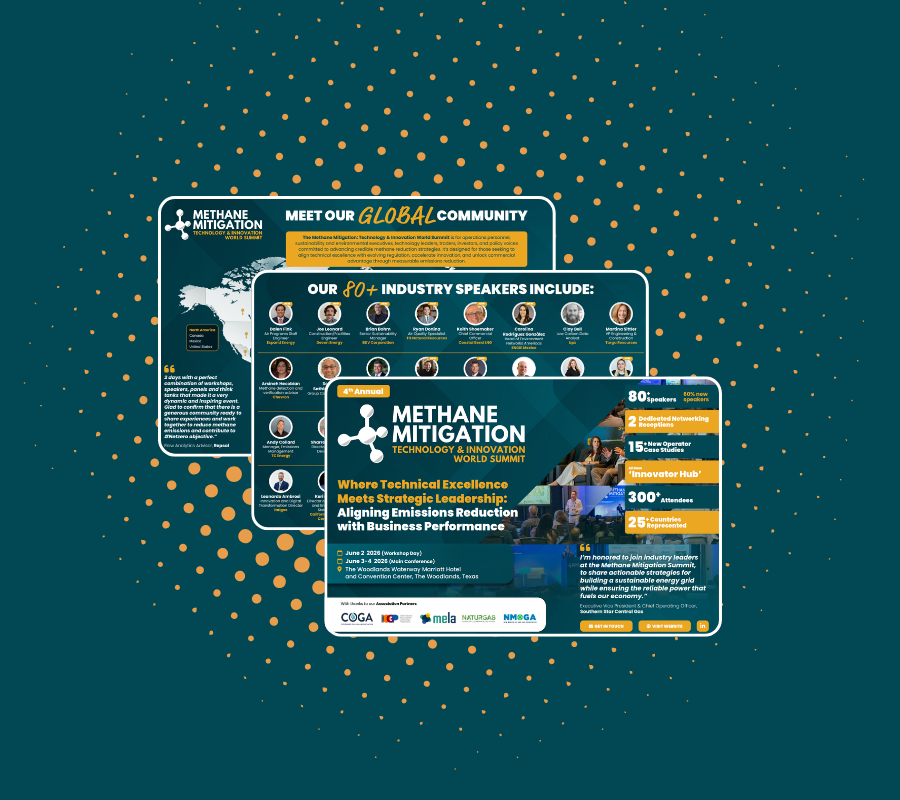
Aligning methane reduction with increased Uptime, OPEX, and Production
Aligning methane reduction with increased Uptime, OPEX, and Production
Methane mitigation is no longer a standalone environmental initiative, it is increasingly becoming embedded within asset integrity, reliability engineering, and operational excellence. As companies set more ambitious emissions and performance targets, Operations and Engineering teams are being relied upon to own the execution of methane activities within day‑to‑day operations.
Your involvement is not just supportive, it is essential. Success now depends on ensuring methane measurement and reduction enhance the KPIs that matter most to technical teams: asset reliability, integrity, system uptime, safety, and cost‑effective performance.
As detection technologies mature and corporate expectations rise, your role sits at the center of turning strategy into operational reality. The key questions have evolved from “Can we measure methane?” to:
- - Are we integrating methane measurement into existing reliability, maintenance, and asset integrity programs— rather than creating parallel workflows?
-Are we selecting the right technologies for each asset class, operational constraint, and inspection method?
-Are we converting methane data into actionable insights that improve uptime, reduce failures, and support operational excellence?
Aligning Asset Reliability, Operational Efficiency, and Emissions Goals
Methane management now directly intersects with uptime, asset integrity, and cost efficiency. This theme explores how operators are embedding emissions reduction into core engineering and maintenance programs, linking mitigation investments to measurable performance outcomes.
Attend to explore:
➡️Integrating new detection and mitigation technologies into existing infrastructure
➡️Evaluating cost-benefit trade-offs across reliability and abatement programs
➡️Designing facilities and maintenance plans that advance both emissions and uptime goals
Optimizing Your Technology Stack for Diverse Asset Types
No single solution captures the full emissions picture and no asset portfolio is uniform. It is critical that operators look at how to design a fit-for-purpose technology stack that balances precision, scalability, and budget realities across varied operating environments.
Attend to explore:
➡️Selecting technologies based on asset profile and ris
➡️Integrating complementary tools into a coherent system
➡️Building a stack that delivers measurable impact without operational and economic overload
Prioritize Abatement for Maximum ROI
For Operations, Engineering, and Reliability teams, not every leak or mitigation pathway offers the same value. With limited labor, inspection time, and capital, the challenge is to focus on the abatement actions that materially improve asset performance, reduce downtime, and lower operating cost. This theme focuses on how technical teams can rank and sequence methane‑related work so that effort goes where it delivers the strongest operational return.
Attend to explore:
➡️ Identifying the leak sources and equipment classes that pose the highest integrity and reliability risk
➡️Applying asset‑criticality, work‑order history, and failure‑mode data to prioritize abatement activities
➡️ Directing maintenance and engineering resources toward interventions that deliver the greatest uptime and cost‑reduction impact
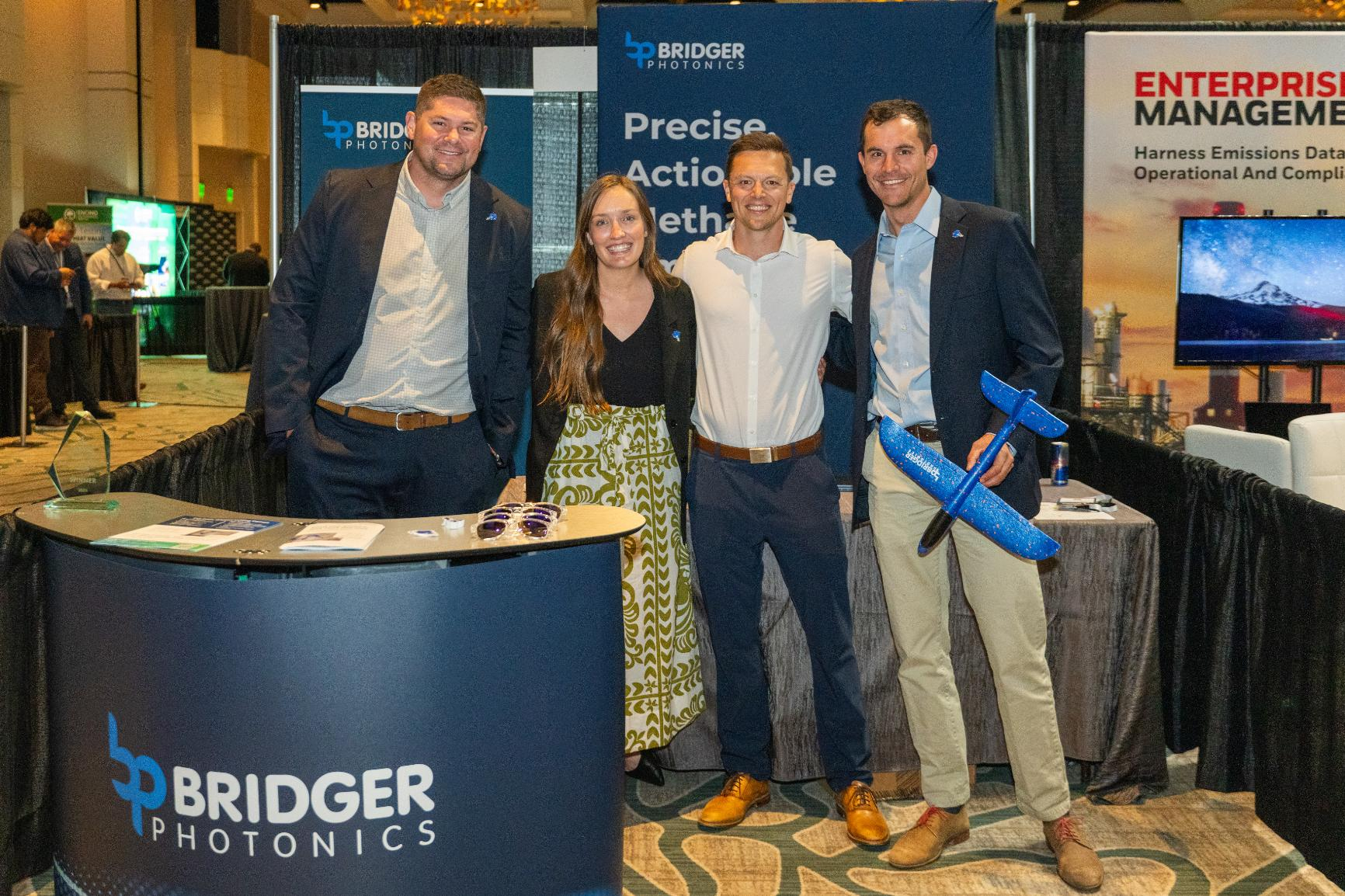
Abatement Spotlight Case Study: Scaling Methane Recovery Through Recompression: Lessons from TC Energy
With one of North America’s largest natural gas transmission networks, TC Energy has implemented an industry-leading recompression program designed to significantly reduce vented methane during maintenance and blowdown activities. Led by Andy, the initiative has become a cornerstone of TC Energy’s methane abatement strategy, leveraging a fleet of nine mobile transfer compressors to capture and reinject gas that would otherwise be released.
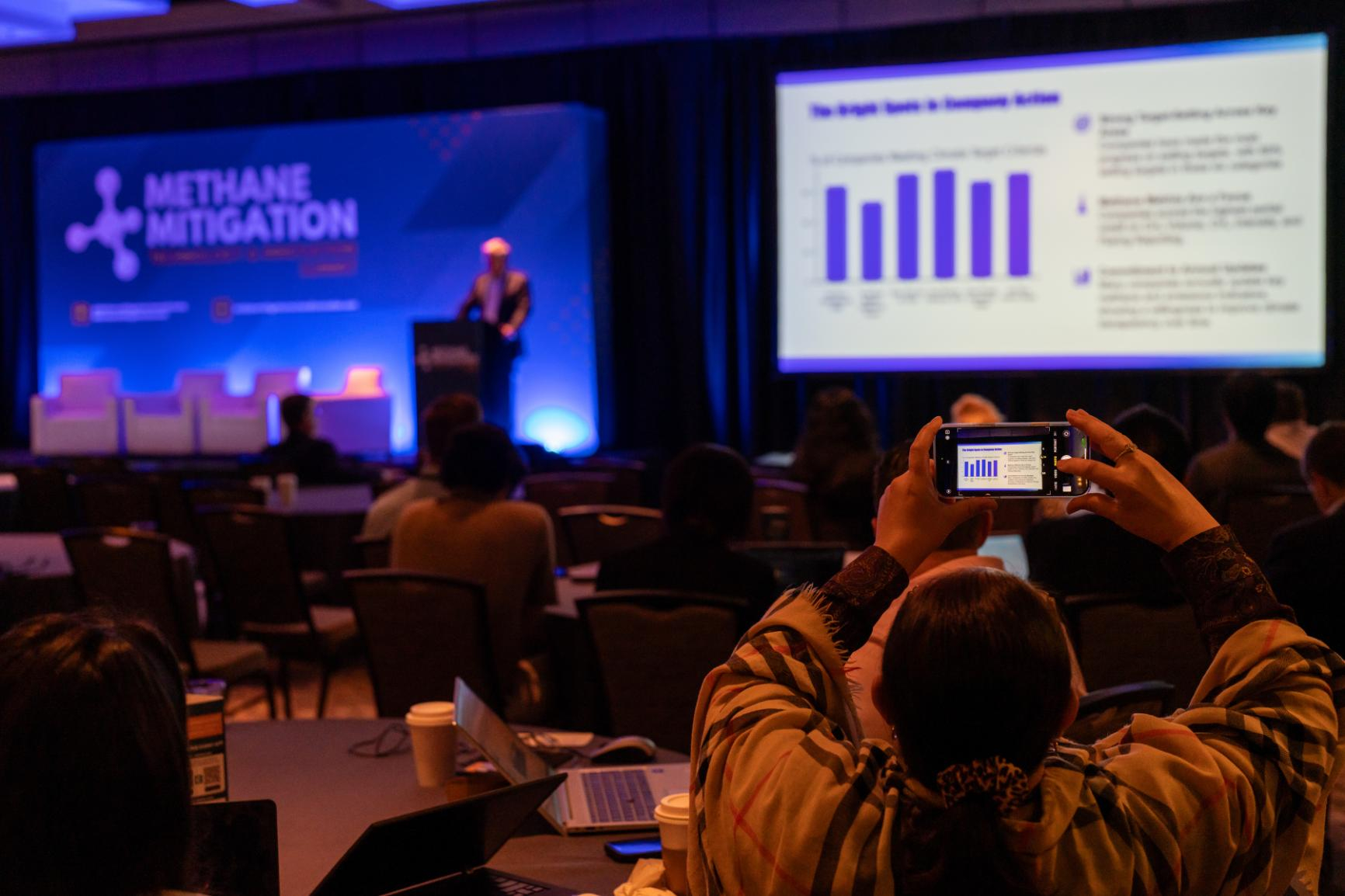
Panel: Aligning Operational Reliability with Emission Goals: Asset Integrity 101
- Analyze how methane mitigation initiatives impact asset reliability, uptime, and long-term equipment performance.
- Examine real-world examples of embedding emissions management into integrity, maintenance, and engineering workflows.
- Evaluate how operators are balancing OPEX, downtime risk, and carbon intensity when prioritising asset upgrades.
Case Study: Designing Out Emissions: Devon Energy’s Journey to Low-Leak, Tankless Facilities
- Understand how Devon’s low-emission facility design eliminates key venting sources through tankless storage and pressure vessel integration
- Explore the cost–benefit tradeoffs between traditional atmospheric tanks and next-generation pressure systems
- Learn how process control and advanced monitoring technologies enhance reliability, efficiency, and emissions reduction
- Identify practical steps to transition toward low-leak, high-integrity facility design across upstream operations
Explore 15+ Case Studies to help you benchmark how other operators are redesigning facilities and repositioning methane technologies as practical OPEX tools that reduce emissions while improving uptime and protecting production.
Explore 15+ Case Studies to help you benchmark how other operators are redesigning facilities and repositioning methane technologies as practical OPEX tools that reduce emissions while improving uptime and protecting production.
Testimonials

Great three full days in the Methane Mitigation Summit Series in Austin, TX. An opportunity to share with Oil & Gas Industry experts and review real-time equipment and cutting-edge technologies.
A must attend event for everyone in the oil and gas industry who recognizes the importance of methane emissions management and mitigation. Great to hear from people on their experience, challenges and successes in methane management.
A very productive 3 days of workshops, presentations, panels, and discussion groups. It has been very interesting to meet experts from around the world. Thanks everyone for sharing knowledge and best practices for methane mitigation! I would like to highlight the multidisciplinary collaboration both within the companies and between different companies, entrepreneurs, and research groups.
Join the Global Methane Mitigation: Technology & Innovation community this June
In Partnership With:

QUESTIONS?
Address: IQPC Ltd, 129 Wilton Road,
London SW1V 1JZ
Telephone: +44 (0) 113 210 042
Fax: 44 (0) 207 368 9301
Email: enquire@iqpc.co.uk

©2026 IQPC. All rights reserved.
In Partnership With:
QUESTIONS?
Address: IQPC Ltd, 129 Wilton Road,
London SW1V 1JZ
Telephone: +44 (0) 113 210 042
Fax: 44 (0) 207 368 9301
Email: enquire@iqpc.co.uk
©2026 IQPC. All rights reserved.